
Transcript
In this episode of The Book of Donovan, I'm celebrating 1,274 days of alcohol retirement and sharing a couple of personal updates about the joys and frustrations of getting older, along with an unexpected new addition to our family.
First, I revisit my ongoing adventures with my eyesight. After more than 20 years of enjoying the benefits of LASIK surgery, I've found myself back in the world of prescription glasses. What started as a simple need for reading glasses has turned into a frustrating journey involving eye exams, progressive lenses, incorrect prescriptions, and multiple pairs of glasses. I share my experiences with Warby Parker, including their excellent customer service and return policy, and explain why I ultimately returned to a local optical shop. Although I can finally see clearly at a distance again, I've discovered that aging eyes come with their own set of complications, particularly when trying to see things up close. It's been an expensive and sometimes aggravating reminder that getting older isn't always fun.
Then I turn to something considerably more heartwarming: the mysterious workings of the so-called "cat distribution system." After going several years without an indoor cat and losing our longtime outdoor companion, Josie, our household had settled into a cat-free existence. That changed when a young, skittish but surprisingly affectionate calico began appearing around our property. What started with a few curious sightings on my security cameras quickly turned into an unexpected decision about whether to bring her inside.
I share how our new visitor gradually won us over, the family's discussions about taking responsibility for another pet, and the memories of our previous adventures with neighborhood cats. Before long, the little calico had moved into the house, made herself comfortable, and received a name from my wife: Chloe. We're still hoping to determine whether she belongs to someone else, but in the meantime, she's behaving as though she's lived with us her entire life.
As much as I enjoyed the freedom of not having an indoor pet, I'm beginning to think Chloe's arrival might have been exactly what our family needed. Sometimes life has a way of making decisions for us, even when we've convinced ourselves we're perfectly happy with the way things are.
I wrap things up with a few reflections on the approaching holiday season, which feels a little different this year, and offer my best wishes to everyone heading into Thanksgiving and the end of the year. It's another personal update about life, aging, family, unexpected companionship, and learning to embrace the changes that come along whether we're ready for them or not.
As always, thanks for spending a little time with me here on The Book of Donovan. If you'd like to share your thoughts, you can reach me at podcast@bookofdonovan.com.
---
Here's the term I couldn't remember as defined by ChatGPT:
Presbyopia (pronounced prez-bee-OH-pee-uh) is the gradual, age-related loss of your eyes' ability to focus on objects up close.
It's a normal part of aging, typically beginning around age 40 and progressing until approximately age 60–65.
What causes it?
Inside each eye is a natural lens that changes shape to help you focus at different distances.
When you're young, that lens is flexible. Your eye muscles can change its shape to focus on something nearby, then relax to focus on something far away.
As you age, the lens becomes stiffer and less flexible. Eventually, it becomes difficult to focus on nearby objects.
How this relates to your vision
What's interesting about your situation is that you have both myopia (nearsightedness) and presbyopia.
They affect your vision differently:
Myopia: Makes distant objects blurry while allowing you to see closer objects more clearly.
Presbyopia: Makes it harder for your eyes to adjust their focus to nearby objects.
Astigmatism: Causes additional blur or distortion because light doesn't focus equally in every direction.
This explains why you can see your computer monitor reasonably well without glasses but need your new glasses to see clearly down the road.
Your natural nearsightedness effectively compensates for some of your presbyopia when you're not wearing distance glasses.
Can presbyopia be reversed?
Unfortunately, no. It's a physical change in the eye's lens, not a weakness in the eye muscles that can be corrected through exercises.
However, it can be managed with reading glasses, bifocals, progressive lenses, or other vision corrections.
One important distinction
Presbyopia doesn't mean your overall eyesight is deteriorating or that you're going blind. It specifically refers to the loss of near-focusing ability.
And here's something particularly relevant to you: At 56, your presbyopia is probably approaching the point where it will stabilize over the next several years.
That's why I suspect you'll ultimately be most comfortable with distance glasses for driving and television, no glasses for your computer, and your +2.25 readers for close-up reading.
In fact, there's a bit of irony here: Your nearsightedness, which causes your blurry distance vision, is actually helping you see your computer without glasses.
Contact Information
Email: podcast@bookofdonovan.com
Website: https://bookofdonovan.com
People
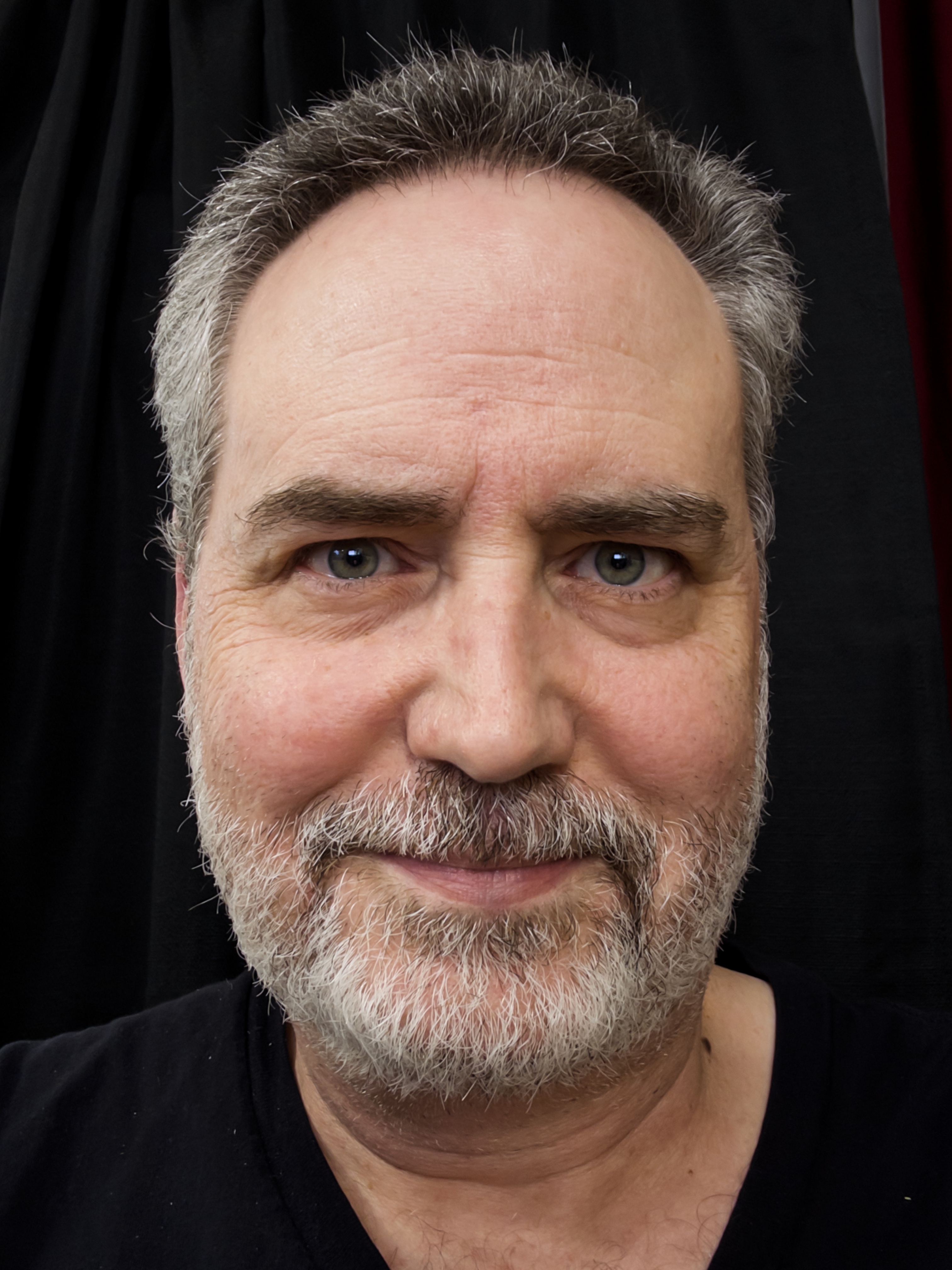
Donovan Adkisson
host
The The Book of Donovan newsletter
Occasional email from the show. No account needed, and every issue has a one-click unsubscribe.
Comments (0)
Sign in to leave a comment.
No comments yet. Be the first!